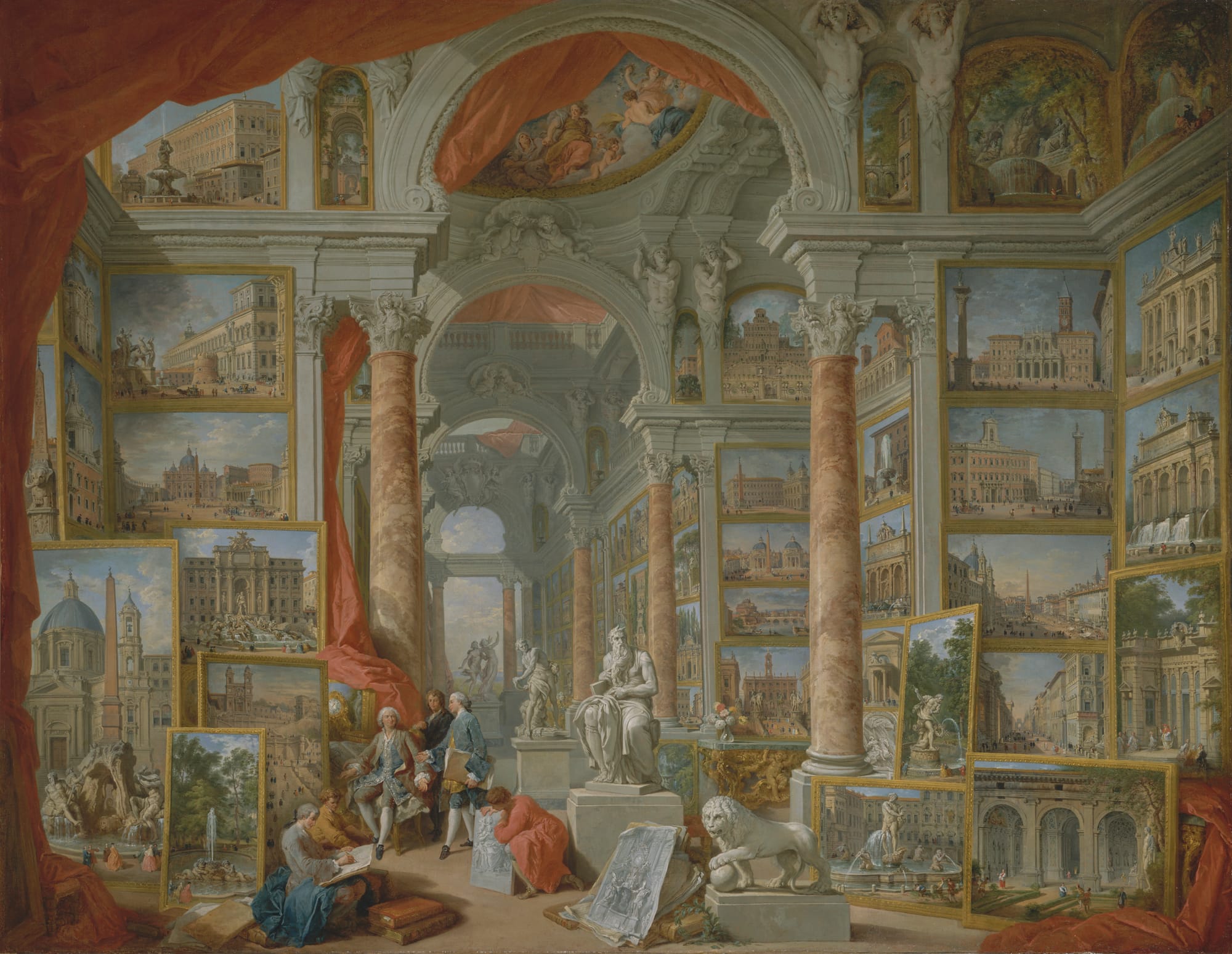
Most people buy their first original painting on impulse. They are standing in front of it, at a gallery opening, a studio visit or a friend's dining room, and what they feel is more physical than intellectual: they don't want to stop looking, and leaving without it would feel like a small loss. That is not a bad reason to buy a painting. It may be the best one.
Start With What You Cannot Stop Looking At
The single most durable piece of collecting advice is also the most obvious: buy what you love, rather than what you expect to rise in value or what will impress your guests. More precisely, buy the work you keep returning to, the one that shows you something new each time you look.
There is a practical reason too. Art is hard to sell quickly, and a painting bought today may not find a buyer for years. If you bought it as a speculation, you may end up living with something you don't much like while you wait for a market that never comes. If you bought it because you love it, it earns its place on your wall every day.
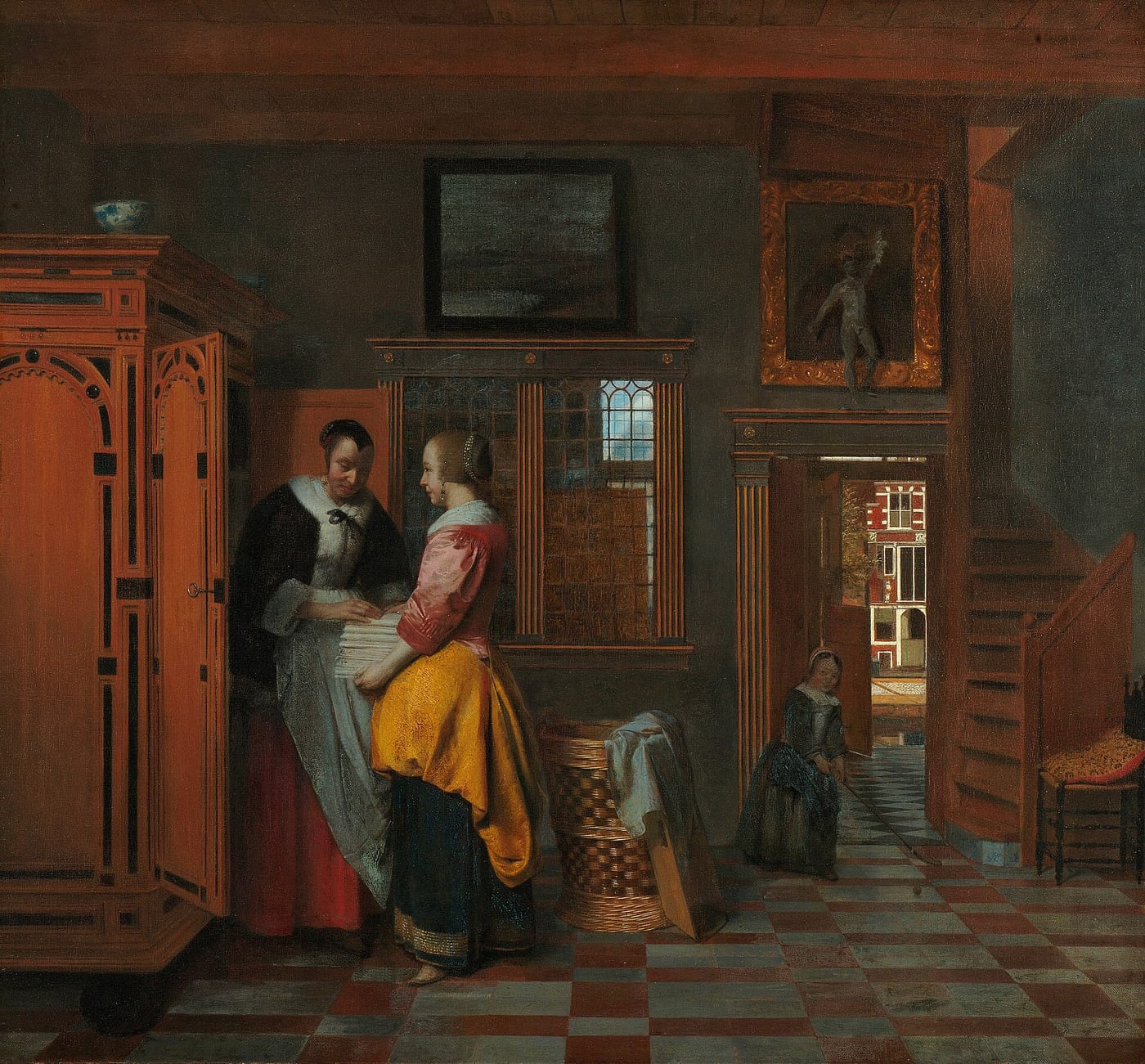
Understand What You Are Buying
An original painting is a different thing from a print or a limited-edition reproduction, however good. There is only one of it. It carries the marks of the artist's hand, and it ages in the same room as you. That is a plain fact, and it matters both to how you enjoy the work and to what it is worth.
When you buy through a curated gallery, each work should come with a certificate of authenticity. Read it. It should give the medium, the dimensions and the year the work was made. These details are the record of what you own.
Ask More Questions Than You Think You Need To
New collectors often hold back from asking questions, worried they will sound naive. Any good gallery or artist is used to them, and the simple ones are often the most useful: Where was this made? What does the title mean? Has it been exhibited?
Ask about its condition, and whether it has ever been restored. Ask what the artist is working on now, since an early work may come from a practice that has moved on a long way. Ask about shipping and framing. The more you know before you buy, the more at ease you will be living with it afterwards.
The First Purchase Sets the Standard
Many long-standing collectors say the turning point was the first painting they bought with real care, after doing the research and asking the questions. It trained their eye and gave them a reference point for what being sure feels like, which made every later decision easier.
The first impulsive purchase is often a joy. But the first considered one is what begins a collection.