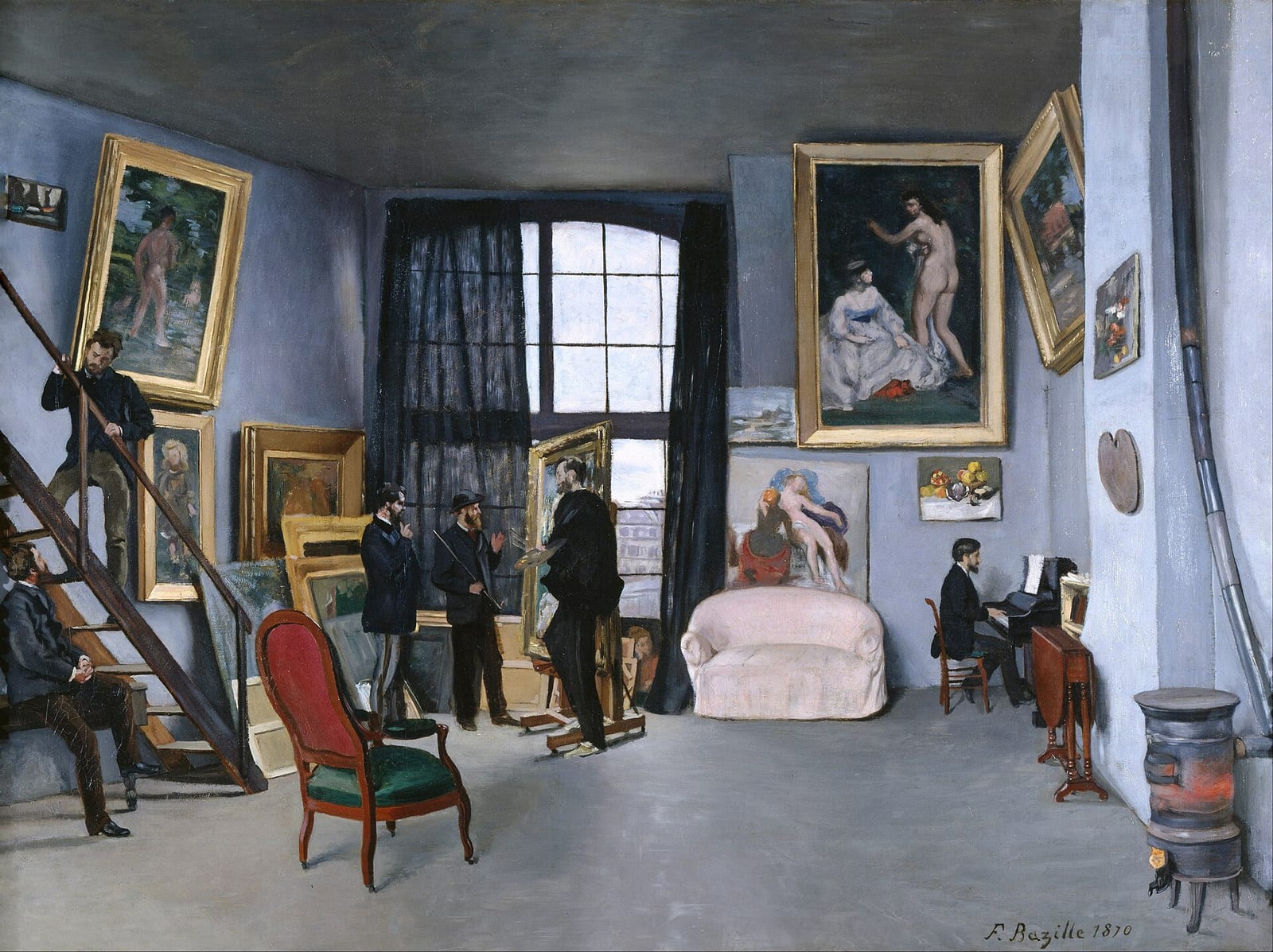
The painting has been finished for three weeks. The artist has looked at it each morning, made a single small adjustment to a passage in the lower right corner, and looked at it again. Now it is done: the painting no longer needs the artist's attention. It is ready to leave. What happens next is a process that most collectors, understandably, never see.
Documentation
Before anything touches it, the artist photographs the painting: the front, the back and each corner. These pictures record its condition on the day it leaves, which is what any later insurance claim would be measured against. The details on its certificate of authenticity come from the same record: the title, the medium, the dimensions and the year.
The artist also notes anything a collector should know, such as whether the work has been exhibited or published, and whether it needs to be hung in a particular way, at a certain height or away from direct light.

Packaging
The physical care taken at the packaging stage determines much of what happens to the painting during transit. A well-packaged work is a work that can survive significant handling without harm; an inadequately packaged one is a liability regardless of how carefully the shipping company behaves.
The paint surface is covered first with glassine, an acid-free paper that will not stick to the paint. Bubble wrap never touches the painted surface, because in transit its pattern can press into the paint. The artist then wraps and protects the work, with extra care at the corners. Our fine art shipping partner collects it from the studio, and a painting that will travel by air is fitted into a made-to-measure wooden crate at their packing centre. The work is insured for its full sale value on its journey.
In Transit
An international shipment passes through customs in the destination country, declared at its true value as an original painting. Artemble pays any import duties and taxes, so the collector is never asked to pay anything on delivery.
The collector receives a tracking link once the painting is on its way, and can follow it across borders and time zones on a map. It is a moving thought that something a person made by hand is, right now, somewhere over the Atlantic, or clearing customs in Frankfurt, or on a van three kilometres away.
Arrival
The collector receives the package. They should, before opening it, photograph it as delivered, particularly if there is any visible damage to the outer packaging. This is insurance documentation, and its value lies precisely in its existence before the box is opened. If anything is wrong, it should be reported within 48 hours of delivery, with the painting and its packing left as they arrived.
Inside is the painting. It has come from a studio somewhere in the world to this hallway or dining room, which is now its home. The artist has probably started the next canvas by now. For the person who will live with this one, the painting's story is only beginning.